PVC Pipe Buying Guide for Home & Industrial Use
When you walk through a modern building or look under a street, you are surrounded by a silent network of pipes. For decades, the most popular choice for these networks has been the PVC Pipe. Whether it is carrying fresh water to your kitchen sink or moving chemicals through a large factory, Polyvinyl Chloride (PVC) has changed the way we build. However, many people think that all plastic pipes are the same. This is a big mistake. Choosing the wrong pipe can lead to serious problems like leaks, burst lines, and expensive repairs. Some pipes are made for simple garden drainage, while others are built to be a heavy duty PVC pipe for high-pressure systems. Understanding the differences is the only way to ensure your plumbing lasts for years.
In this guide, we will help you understand how to pick the right materials for your project. As a leading PVC pipe supplier, Universal Plastic Agency is here to make sure you get the best quality for your money.
What is a PVC Pipe?
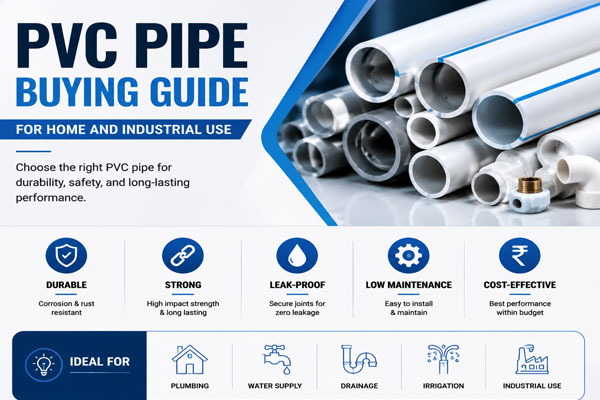
- Durable and Strong: Unlike metal, PVC does not rust or rot when buried underground or exposed to moisture.
- Lightweight: It is very easy to carry and install, which saves a lot of money on labor costs.
- Corrosion Resistant: It can handle many acids and chemicals without the material breaking down.
- Variety: They come in different “Schedules” (which refers to thickness) and pressure ratings to handle everything from a light drip to a high-speed flow.
Why PVC Pipes Are Popular for Home and Industrial Use
- Long Service Life: A high-quality PVC water pipe can last for 50 to 100 years if installed correctly.
- Rust Resistance: Since there is no metal in the pipe, you never have to worry about “brown water” caused by rust.
- Easy Installation: They can be cut with a simple saw and joined together using special glue (solvent cement), making the process very fast.
- Affordable Cost: Compared to copper or iron, PVC is much cheaper to buy and ship.
- Smooth Water Flow: The inside of the pipe is very smooth. This reduces friction, which means water moves faster and there is less chance of clogs.
- Low Maintenance: Once they are installed, they rarely need attention unless they are physically damaged.
PVC Pipe Buying Guide for Home and Industrial Use
Understand Your Application
First, define the job. Are you moving drinking water, or is it for a toilet drain? PVC plumbing pipe for drinking water must be “lead-free” and certified for safety. If it is for a factory, you might need industrial PVC pipes that are designed to handle high pressure or chemicals.
Look for Chemical Resistance
For PVC pipe for industrial use, chemical compatibility is a must. If the pipe is carrying acids or factory waste, ensure the specific PVC blend is rated for those substances.
Check Pipe Size and Thickness
Pipes are measured by their diameter (the distance across the middle). You also need to look at the “wall thickness.” In the plumbing world, a Schedule 40 pipe is standard, while a Schedule 80 pipe has thicker walls and is used for more intense industrial work.
Consider Pressure Rating
Pressure is measured in PSI (Pounds per Square Inch). A pipe used for a garden sprinkler doesn’t need to be as strong as a pipe connected to a high-pressure water pump. Always check the pressure rating printed on the side of the pipe.
Choose Quality Material
Not all plastic is created equal. Low-quality pipes can become brittle and crack in the sun. Always look for durable, certified pipes from a trusted PVC pipe supplier like Universal Plastic Agency.
Check Temperature Compatibility
Standard PVC is great for cold or room-temperature water. However, if you are moving hot water (like from a water heater), you need a special type of pipe called CPVC, which can handle much higher temperatures.
Buy from Trusted Dealers
Buying from a random shop might result in getting “seconds” or uncertified pipes. A professional dealer provides better support, accurate advice, and high-quality products that meet safety standards.
Types of PVC Pipes
| PVC Pipe Type | Best For | Main Benefit |
| UPVC Pipes | Cold water plumbing | Very rigid and safe for drinking water. |
| CPVC Pipes | Hot and cold water | Can handle temperatures up to 93°C. |
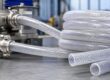
| PVC Braided Pipes | High-pressure air/water | Flexible and reinforced with thread. |
| Agricultural Pipes | Farm irrigation | Large diameters for moving big volumes of water. |
| Industrial Pipes | Factory chemical lines | Extra thick walls for safety and pressure. |
Home Applications of PVC Pipes
- Plumbing Systems: Bringing fresh water from the city line into your home.
- Bathroom and Kitchen: Connecting sinks, showers, and washing machines.
- Drainage Systems: Safely carrying waste water away to the sewer or septic tank.
- Garden Irrigation: Underground pipes for sprinklers and drip systems.
- Rainwater Systems: Gutters and downspouts that move water away from the roof to protect the foundation.
Industrial Applications of PVC Pipes
- Chemical Transfer: Moving various liquids in processing plants without risking pipe corrosion.
- Water Treatment: Used in filtration plants where chemicals are used to clean water.
- Agriculture: Large-scale irrigation systems that feed thousands of acres of crops.
- Construction: Used as “conduits” to protect electrical wires inside concrete walls.
- Industrial Fluid Handling: Moving coolants or waste fluids in manufacturing units.
Common Mistakes Buyers Make
- Choosing the Wrong Size: Buying a pipe that is too small can cause loud “knocking” noises or low water pressure.
- Ignoring Pressure Ratings: Using a thin drainage pipe for a high-pressure pump line will cause the pipe to explode.
- Buying Low-Quality Pipes: Trying to save a few pennies often leads to leaks that cost thousands to fix.
- Wrong Application: Using standard PVC for hot water lines, which causes the pipe to soften and fail.
- Ignoring Installation: Not using the right primer and glue, which leads to joints failing under pressure.
PVC Pipe vs. Metal Pipe
| Feature | PVC Pipe | Metal Pipe (Iron/Galvanized) |
| Corrosion | 100% Rust-proof | Rusts over time |
| Weight | Very Light | Very Heavy |
| Installation | Fast (Glue) | Slow (Threading/Welding) |
| Cost | Low | High |
| Lifespan | 50+ Years | 20-30 Years (due to rust) |
| Flow Quality | Smooth (no buildup) | Rough (clogs with scale/rust) |
Why Choose Universal Plastic Agency?
- Trusted Supplier: We have been serving the community with honesty and expert advice for years.
- Quality Solutions: We stock only the best industrial PVC pipes and domestic plumbing materials.
- Certified Products: All our pipes meet high industry standards for safety and durability.
- Wide Product Range: From tiny domestic pipes to heavy duty PVC pipe for factories, we have it all.
- Competitive Pricing: We believe that quality should be affordable for everyone.
- Reliable Support: Our team helps you choose the right size and type for your specific project.
FAQs
They are used for drinking water supply, sewage drainage, garden irrigation, and moving fluids in industrial factories.
For cold water, UPVC is standard. For hot water lines, you must use CPVC pipes.
Yes! PVC pipe for industrial use is common because it handles chemicals well and can be built with thick walls (Schedule 80) for high pressure.
This depends on the amount of water you need. A main line is usually 1 inch or larger, while a sink line might be 0.5 inches. Consult an expert at Universal Plastic Agency for your specific needs.
Yes, PVC is naturally resistant to many acids, salts, and alcohols, which makes it perfect for chemical transfer.
You can find a wide range of high-quality, durable pipes at Universal Plastic Agency, your local expert in plastic piping.
Conclusion
Choosing the right PVC Pipe is the foundation of a good building. Whether you are fixing a leaky faucet at home or setting up a new chemical line in a factory, the quality of the pipe determines how often you will have to deal with repairs. By picking the right material, size, and pressure rating, you can enjoy a system that works perfectly for decades.
Don’t settle for “cheap” alternatives that will fail you when you need them most. Invest in quality, and you will save money and stress in the long run.