How Can Water Lines Be Installed with Less Surface Digging?
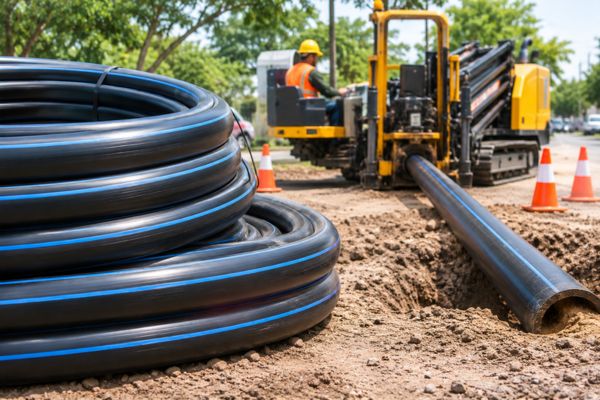
Trenchless methods can install selected water pipelines beneath roads and other obstacles with less continuous surface excavation. HDPE pipes are widely used in these projects because their flexibility and fusion jointing can support suitable underground installation methods.
Think about a water line crossing a factory entrance or a busy access road. Keeping that route usable can be a major part of the project plan. The installation method, pipe specification and site arrangements all influence how the work progresses.
For teams reviewing trenchless options in 2026, choosing an HDPE pipes supplier involves bringing the material requirement and construction schedule together. The pipe needs to suit its working life underground and the loads it will experience while being installed.
Start with the Crossing Your Project Needs
A useful project brief begins with the route. Explain where the pipeline will go, what it must pass beneath and how the proposed installation will be carried out.
One common method is horizontal directional drilling, usually called HDD. A drilling system creates an underground path, and a prepared pipe string is pulled through it.
The design team assesses ground conditions, existing utilities, available access and the proposed route. Those decisions help establish the pipe requirement.
Share the relevant design information with your supplier early. A clear brief makes it easier to discuss suitable products, available lengths and the supply schedule.
Check Installation Loads Alongside Water Pressure
Water pressure is an important part of pipe selection, but trenchless work introduces installation loads too.
During an HDD installation, the pipe can experience pulling forces, bending and external pressure. The proposed wall thickness and material must be assessed for those conditions as well as the operating duty.
This is why a general enquiry such as “HDPE pipe for a water line” leaves too much unanswered.
Ask the project engineer to establish the required material grade, diameter, wall specification and operating pressure requirements. Purchasing can then request quotations against that defined combination and keep product comparisons consistent.
Understand What Material Grade and SDR Tell You
Material grade and wall thickness describe different aspects of a pipe. A designation such as PE100 identifies a polyethylene performance classification. It does not, by itself, define the finished pipe’s pressure capability.
SDR means standard dimension ratio. It describes the relationship between the pipe’s outside diameter and wall thickness. For the same outside diameter, a lower SDR means a thicker wall.
Two pipes can therefore share the same material grade and outside diameter while having different wall thicknesses and internal diameters.
That difference matters for installation strength and water flow. Use the combination specified in the project design, and have any proposed substitution reviewed before ordering.
Plan the Jointing Work Before the Pipe Arrives
Fusion jointing allows compatible polyethylene pipe sections to be joined into a continuous length. For trenchless work, the jointing plan needs to fit the installation sequence and available site space.
Discuss where the pipe string will be prepared, how it will be supported and which joining method the project requires.
The contractor also needs suitable equipment, trained operators and an agreed inspection and documentation process.
Include fittings, valves and transition connections in the supply discussion. A pipeline can be ready for installation while a missing adaptor still delays the next stage. Confirm the complete connection requirement before finalising the material order.
Match Delivery to the Site Sequence
A large delivery is useful when the site is ready to receive and handle it. Restricted access or limited storage can make the delivery sequence especially important.
Tell the supplier whether the project requires straight lengths or coils, subject to availability for the selected size and specification. Include unloading arrangements, storage space and the dates when materials are needed.
For larger requirements, discuss whether staged deliveries can fit the construction programme.
Allow time for receiving checks and joint preparation before the planned installation. This gives the team an opportunity to resolve shortages or specification questions before drilling equipment and personnel are waiting.
Keep Pipe Markings and Documents Together
Once a pipe is underground, its visible markings become harder to access. Good receiving records help preserve its identity throughout the project.
Check the supplied markings against the purchase order and delivery documents. Review the manufacturer, size, material designation, wall specification and other identification required by the project.
Keep available batch references and relevant test documents with the corresponding delivery records.
Also inspect the consignment for handling damage before installation. Any concern should be assessed using the manufacturer’s guidance and project acceptance requirements.
These records give the construction and maintenance teams a clearer picture of what was installed and where it belongs.
Make Your Enquiry Specific to the Project
Universal Plastic Agency supplies HDPE pipes and fittings from Ahmedabad, Gujarat, for industrial, agricultural and infrastructure requirements.
Buyers in Ahmedabad, across Gujarat and elsewhere in India can share their project details with the team.
Include the intended water service, approved pipe specification, total quantity, required lengths, fittings and delivery location. Add the installation method and construction schedule so the supply discussion reflects the actual job.
Ask for confirmation of the proposed product, relevant documents and availability against the required dates. Keep technical acceptance, material supply and installation responsibilities clear when finalising the order.
Conclusion
Trenchless water line projects bring pipe selection and construction planning closely together. The route, installation loads, jointing arrangements and delivery sequence all influence the material requirement.
Choose an HDPE pipes supplier that can discuss your approved specification and supply needs clearly. Contact Universal Plastic Agency with your project details to check suitable product options, fittings and delivery arrangements before placing the order.
Frequently Asked Questions
Send the intended water service, material grade, outside diameter, SDR or specified wall thickness, quantity and required lengths. Include fittings, installation method, delivery location and the project schedule.
Suitability depends on the complete pipe specification and project conditions. The design assessment needs to cover installation loads, operating requirements and the proposed route before a particular pipe is accepted.
The selection also needs to account for installation conditions, including pulling, bending and external pressure where relevant. Ask the project engineer to confirm the specification for the proposed construction method.
Universal Plastic Agency offers HDPE pipes and fittings. Share the complete material list and request confirmation of sizes, compatibility, quantities and availability for the selected products.
Request the documents specified by your project, such as product details, relevant test certificates and batch identification. Agree the documentation requirement before ordering so it can be checked during delivery.
Discuss staged delivery requirements with the supplier before purchase. Share quantities and required dates for each stage, then confirm availability, transport arrangements and receiving requirements for the site.
Buyers across Gujarat and other parts of India can submit their requirements. Confirm serviceability, product availability, freight arrangements and dispatch timing for your delivery location before finalising the order.