Red & Blue Welding Hoses Boost Safety & Efficiency
The importance of safe gas flow in welding work cannot be ignored. A single leak or a wrong connection can lead to serious accidents, fires, or explosions. To keep the workplace safe, choosing the correct equipment is absolutely necessary. Correct hose selection reduces risk and greatly improves the daily performance of the welder. By using the right gear, workers can focus on their tasks without worrying about equipment failure. This is exactly where Red Blue Welding Hoses come into the picture. They are introduced as a trusted, simple, and highly effective solution for gas welding systems. In this detailed guide, we will explore how these specific hoses work, why their colors matter, and how they make welding jobs safer and much more efficient.
What Are Red Blue Welding Hoses?
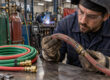
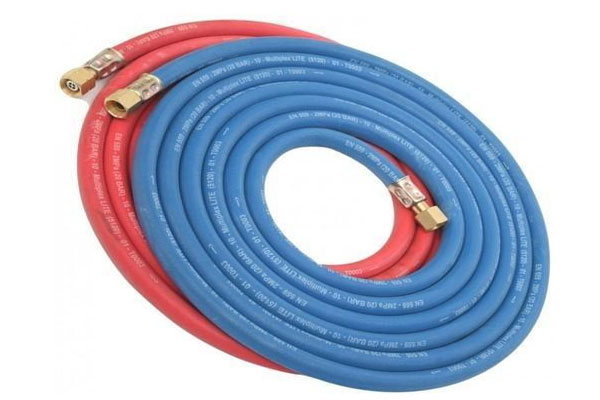
To understand their value, you first need to know how they are built. A Red Blue Welding Hose is a highly specialized piece of equipment used in metalworking. It is a twin hose system used in welding and cutting. Instead of having two loose, messy pipes dragging across the floor, this system joins two separate hoses together side-by-side to form one neat, easy-to-manage line.
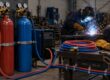
In this system, the colors have a very specific meaning. The red hose is usually for fuel gas, such as acetylene, propane, or natural gas. On the other hand, the blue hose is usually for oxygen, which is needed to make the fuel burn hot enough to melt metal. This Oxygen acetylene hose setup is carefully designed for the safe gas transfer during welding operations. By keeping the gases in their own highly visible lines, welders can work confidently and securely.
Why Color Coding Matters in Welding Hoses
You might wonder why hoses cannot just be plain black or grey. In the welding industry, colors are not just for looks; they are a critical safety feature. Here is why color coding is so important:
Common Applications of Red Blue Welding Hoses
Because they are so reliable, you will find an Industrial welding hose in almost any place where metal is shaped or repaired. The most common applications include:
- Gas welding: Joining two pieces of metal together using a hot flame.
- Oxy fuel cutting: Using a special torch to slice through thick steel plates easily.
- Fabrication workshops: Factories where metal gates, fences, and structures are built from scratch.
- Construction sites: Cutting and welding heavy iron beams used to build large buildings and bridges.
- Automotive repair shops: Fixing car frames, cutting off rusty exhaust pipes, and doing bodywork.
Industrial maintenance units: Repairing broken factory machinery and fixing heavy farm equipment.
How Red Blue Welding Hoses Improve Safety and Efficiency
Upgrading to a proper Twin welding hose completely changes the way a workshop operates. It protects the workers while speeding up the job. Here is a detailed look at how these hoses improve both safety and daily efficiency.
Prevent Gas Mixing Errors
The biggest danger in gas welding is allowing oxygen and fuel gas to mix inside the hose or at the wrong connection point. Because the hoses are clearly colored and tightly joined side-by-side, correct line connection reduces accidents. The welder knows exactly which line attaches to the oxygen regulator and which attaches to the fuel tank, preventing dangerous gas mixing errors entirely.
Strong and Leak Resistant Design
A reliable Welding gas hose is built with multiple layers of tough rubber and synthetic materials. This strong construction provides a highly leak-resistant design. When working with highly flammable gases, preventing leaks is mandatory. These hoses ensure reliable gas flow performance, keeping the dangerous fuel safely inside the pipe until it reaches the torch tip.
Flexible Handling
Welders often have to crawl under cars, climb ladders, or work in tight spaces. A stiff, heavy pipe makes this job very difficult. A high-quality Flexible welding hose bends easily around corners and machinery. This provides easy movement around job sites, meaning the worker does not have to fight against the equipment while trying to make a perfect weld.
Better Pressure Handling
Oxygen and acetylene are stored in heavy steel tanks under extreme pressure. The hoses must be able to handle this force without bursting. Red blue hoses are reinforced with strong inner braiding. This gives them better pressure handling, making them highly suitable for regular welding use without the risk of ballooning or snapping under stress.
Faster Work Setup
Time is money in any industrial workshop. Because the lines are color-coded and joined together, they provide a much faster work setup. Workers can unroll the twin hose, connect the color-coded ends to the correct tanks and torches, and start working in minutes. The color-coded lines save time that would otherwise be wasted untangling separate pipes.
Durable Outer Cover
The floor of a metal workshop is a harsh environment. It is covered in sharp metal shavings, heavy tools, and hot sparks. These hoses feature a highly durable outer cover. The thick rubber resists abrasion, cuts, and rough use. Even if hot sparks land on the hose, the tough cover prevents the pipe from melting instantly.
Smooth Continuous Operation
When making a long weld, the flame needs to remain steady. If a hose kinks or folds easily, the gas flow stops, and the flame goes out. The thick, structured walls of these hoses prevent kinking. This allows for smooth continuous operation, which directly supports efficient welding output and creates better, stronger metal joints.
Red Blue Welding Hose vs Ordinary Gas Hose
To clearly understand why professionals choose specialized equipment, let us compare a proper welding hose to a standard rubber gas pipe.
| Feature | Red Blue Welding Hoses | Ordinary Gas Hose |
| Color Coding | Bright Red and Blue for instant gas identification. | Usually plain black or single colored. |
| Design | Twin hose design (two pipes fused together). | Single, separate pipes that tangle easily. |
| Safety Level | Very high. Prevents accidental wrong connections. | Low. Easy to mix up the gas lines by mistake. |
| Pressure Rating | Built with strong braided layers for high gas pressure. | Often too weak to handle welding gas safely. |
| Durability | Spark, heat, and abrasion-resistant outer cover. | Can melt or cut easily on a workshop floor. |
How to Choose the Right Red Blue Welding Hose
If you are ready to buy new equipment for your shop, you need to make sure you get the right product. Here is what you should look for when choosing your hose:
- Hose length: Measure your workspace. Buy a hose long enough to reach your project safely, but not so long that it creates a tripping hazard on the floor.
- Pressure rating: Check that the hose can handle the specific pressure output of your gas regulators.
- Gas compatibility: Ensure the hose material is specifically rated to handle the exact fuel gas you use (like acetylene or propane).
- Flexibility: Look for hoses that remain soft and bendable even in cold weather so they are easy to handle.
- Quality certification: Always buy hoses that meet national or international safety standards for industrial use.
Working environment: If you work outdoors or in extremely rough areas, look for extra-thick, heavy-duty covers.
Maintenance Tips
Even the toughest Oxygen acetylene hose needs a little care to stay safe and last a long time. Follow these simple daily maintenance tips:
- Check for leaks regularly: Use soapy water on the connections and the hose body to check for tiny gas bubbles before starting work.
- Store away from sunlight: UV rays from the sun can dry out rubber. Roll the hose up and store it indoors when not in use.
- Avoid sharp bends: Do not fold the hose tightly or crush it under heavy machinery, as this breaks the inner reinforcing layers.
- Inspect connectors: Make sure the brass metal fittings at the ends are clean, tight, and completely free of oil and grease.
- Replace damaged hose on time: If you see deep cuts, burn marks, or cracked rubber, do not try to tape it. Replace the hose immediately to prevent accidents.
FAQs
They are used specifically in gas welding and metal cutting to safely transfer highly pressurized oxygen and fuel gas from the heavy storage tanks to the handheld welding torch.
The colors are for extreme safety. Red easily identifies the highly flammable fuel gas, and blue identifies the oxygen. This stops workers from accidentally mixing up the dangerous lines.
Yes, absolutely. They are chemically designed and strongly reinforced specifically to safely hold these powerful gases without reacting, leaking, or bursting under pressure.
With proper care, safe storage, and regular cleaning, a high-quality industrial hose can last for several years. However, they should be replaced instantly if they show any signs of damage.
Yes. A good quality Industrial welding hose is made with tough rubber that can handle outdoor construction sites, dirt, and changing weather conditions effectively.
You can purchase highly durable, certified, and flexible welding hoses directly from Universal Plastic Agency, a leading and trusted supplier of industrial piping solutions.
Conclusion
Welding is a tough job, but it does not have to be a dangerous one. By upgrading your workshop equipment to specialized Red Blue Welding Hoses, you protect your workers and improve your daily output. These hoses offer incredible safety by preventing gas mix-ups, provide reliable speed through faster setups, and deliver unmatched reliability with their tough, leak-proof designs. They are an absolute must-have for any serious fabrication shop, garage, or construction site. When you need equipment that works as hard as you do, you need to buy from experts. We highly recommend Universal Plastic Agency as your trusted source for all industrial hose needs.